

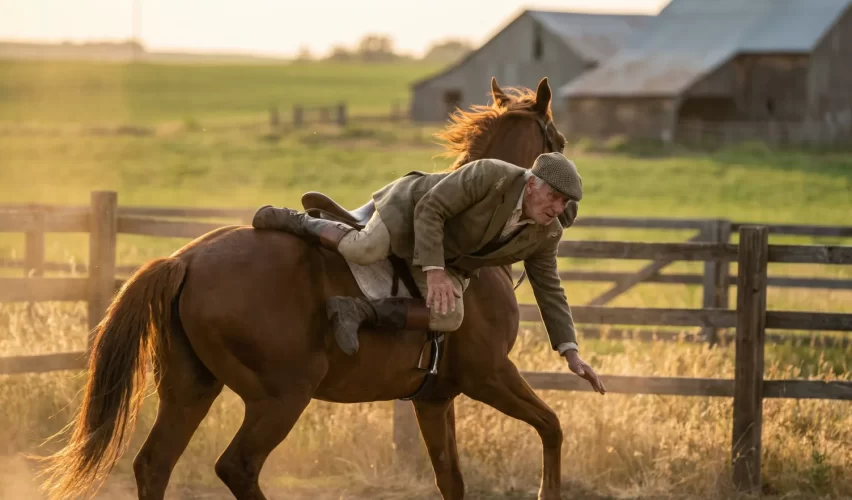
William Shatner, the legendary actor best known for his iconic role as Captain James T. Kirk in the Star Trek franchise, recently faced a significant health challenge. The 94-year-old star revealed that he suffered a severe injury after falling off one of his horses late last year. This terrifying incident ultimately led to the need for a complex William Shatner shoulder surgery, drawing widespread attention from fans and medical professionals alike.
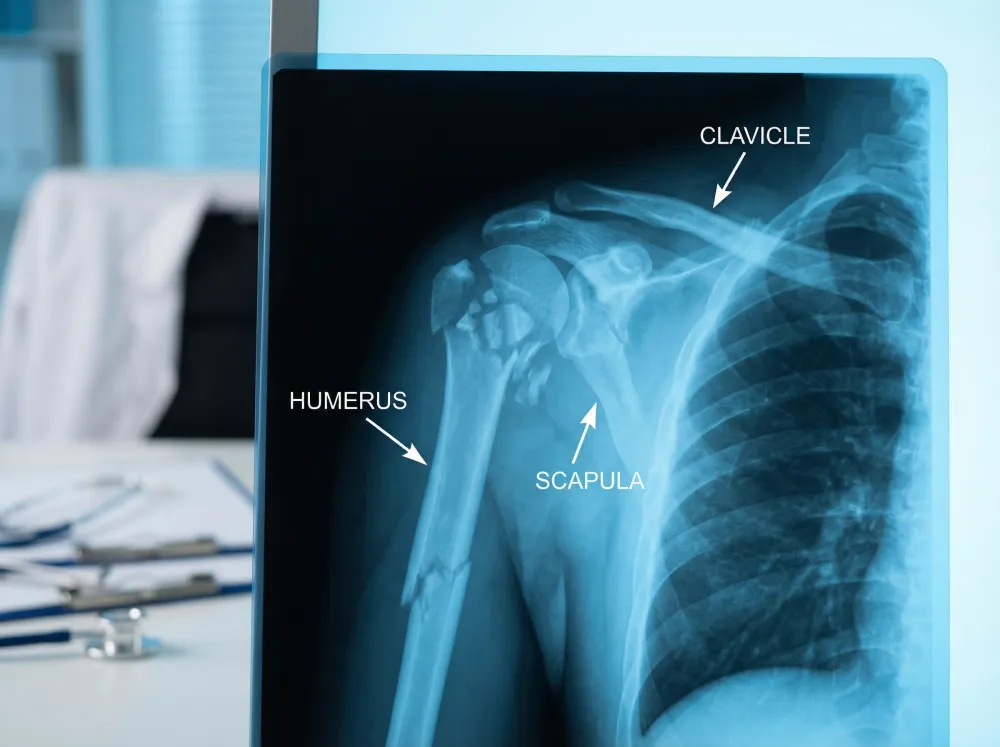
Despite his advanced age, Shatner has remained incredibly active and continues to participate in competitive equine skills. He explained that the horse he was riding had a habit of moving slightly to the side during fast maneuvers. Unfortunately, during one of these rides, the horse moved too quickly, sending the veteran actor flying. Shatner attempted to use his past experience as a stuntman to roll and lessen the impact. However, he hit the dirt hard with his shoulder, resulting in a shattered joint that required immediate medical attention.
The incident highlights the inherent risks associated with equestrian sports, even for experienced riders. While Shatner has spent decades in the saddle, accidents can happen in a split second. This particular fall was severe enough to necessitate a specialized surgical procedure to repair the extensive damage to his right shoulder. It is a sobering reminder that no level of experience can fully eliminate the physical dangers of high-impact activities.
Understanding the Reverse Shoulder Operation
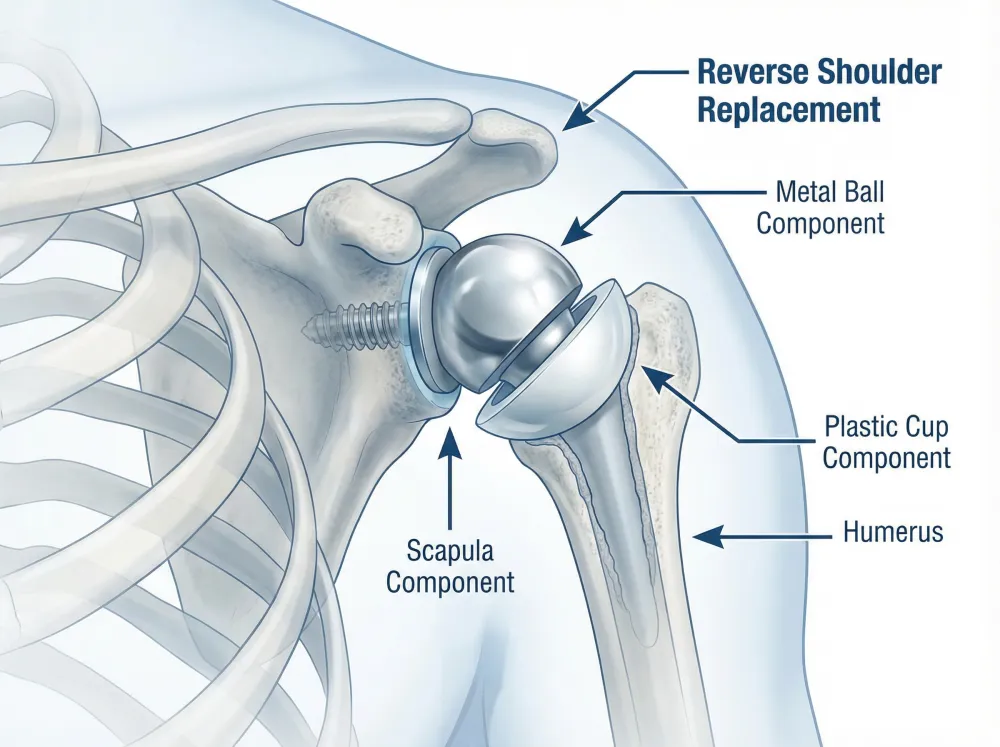
To address the debilitating injury, medical professionals recommended a specific type of procedure for the William Shatner shoulder surgery. The actor described it as a “new type of shoulder operation called a reverse something or other.” In medical terms, this is known as a reverse total shoulder replacement, and it represents a significant advancement in orthopedic surgery.
This innovative surgical technique is often utilized when a patient has a completely torn rotator cuff or severe arthritis accompanied by rotator cuff weakness. Unlike a traditional shoulder replacement, where the plastic cup is fitted into the shoulder socket and the metal ball is attached to the top of the upper arm bone, a reverse replacement switches this arrangement entirely. The metal ball is fixed to the socket, and the plastic cup is attached to the upper end of the humerus. This configuration allows the patient to use the deltoid muscle, rather than the torn rotator cuff, to lift the arm, which is particularly beneficial for older patients.
Shatner expressed optimism about the procedure, noting that the surgery would take several hours but promised a pain-free outcome. For an individual in their mid-nineties, undergoing such a significant operation is a testament to modern medical advancements and Shatner’s own remarkable resilience. The goal of the surgery is not only to alleviate pain but also to restore a functional range of motion, allowing him to maintain his active lifestyle for years to come. According to the American Academy of Orthopaedic Surgeons, reverse shoulder replacement has become increasingly common, with outcomes improving significantly over the past decade.
The Road to Recovery for the Star Trek Legend
The recovery process following a reverse total shoulder replacement is extensive and requires dedicated rehabilitation. For the William Shatner shoulder surgery recovery, physical therapy will play a crucial role in restoring function. Patients typically wear a sling for several weeks to protect the newly repaired joint. Following this initial healing phase, a carefully structured physical therapy program begins to gradually restore strength and mobility.
Shatner’s determination to recover is evident in his public statements. During his appearance at the 53rd annual Saturn Awards in Burbank, California, where he accepted a Hall of Fame award on behalf of the Star Trek franchise, he candidly shared his feelings. He admitted to feeling “old, tired and kind of hurt,” yet his spirit remained unbroken. Receiving a standing ovation from the star-studded audience undoubtedly provided a significant morale boost as he prepared for his upcoming surgery.
Rehabilitation for older adults can present unique challenges, but Shatner’s history of physical activity may work in his favor. Maintaining muscle tone and cardiovascular health prior to an injury often contributes to a more straightforward recovery process. Fans worldwide are closely monitoring his progress and sending well wishes for a swift and complete return to health. The Mayo Clinic notes that most patients experience significant improvement in pain and function within three to six months of shoulder replacement surgery.
Previous Health Scares and Ongoing Resilience
This recent equestrian accident is not the first time the Hollywood legend has faced health concerns. In September of the previous year, reports surfaced regarding a mysterious medical emergency at his Los Angeles home. While details were initially scarce, it was later revealed to be an issue related to his blood sugar levels. Shatner quickly reassured his fans, stating that he had simply overindulged and was perfectly fine.
These incidents underscore the realities of aging, even for beloved celebrities. However, Shatner’s ability to bounce back from these setbacks is truly remarkable. His ongoing participation in public events, such as the Saturn Awards, demonstrates his commitment to his career and his fans. The resilience he shows in the face of the William Shatner shoulder surgery is inspiring to many who face similar health hurdles in their own lives.
Furthermore, his transparency about his health struggles helps to normalize conversations around aging and medical procedures. By openly discussing his horse accident and subsequent surgery, Shatner provides a relatable narrative that resonates with individuals navigating their own health journeys. This openness is a quality that many celebrities are increasingly embracing, as explored in our coverage of The Impact of Social Media on Celebrity Injury News Coverage.
Legal and Insurance Implications of Celebrity Injuries
When a high-profile individual like William Shatner sustains a significant injury, it often brings attention to the complex world of celebrity insurance and liability. While this particular incident occurred during a personal activity, it raises important questions about how celebrities protect themselves against unforeseen accidents.
Many actors and performers carry specialized insurance policies that cover specific body parts or provide compensation in the event of an injury that prevents them from working. These policies are crucial for mitigating financial losses associated with canceled projects or extended recovery periods. In Shatner’s case, his extensive career and ongoing projects likely necessitate comprehensive coverage to ensure financial stability during his rehabilitation. For a deeper understanding of these financial protections, our article on Insurance Policies for Celebrities’ Body Parts provides a thorough breakdown.
Additionally, accidents involving animals can sometimes lead to legal inquiries regarding liability, although in this instance, Shatner owned the horse and accepted the inherent risks of the sport. The intersection of personal injury and celebrity status is a fascinating area of law, often involving intricate negotiations and substantial settlements. For more insights into how these situations are handled, you can explore our detailed analysis of Celebrity Lawsuit Trends in Injury Cases.

The Impact on Future Projects and Public Appearances
The immediate aftermath of the William Shatner shoulder surgery will undoubtedly require a temporary step back from his demanding schedule. While he has expressed a desire to return to his normal activities, the physical demands of travel and public appearances may need to be curtailed during the initial stages of his recovery. Nevertheless, his enduring popularity ensures that his presence will still be felt through social media and pre-recorded content.
His recent appearance at the Saturn Awards, where he eloquently discussed the human element of science fiction, highlights his ongoing influence in the entertainment industry. As he focuses on healing, fans can anticipate updates on his progress through his active social media channels. The Page Six exclusive report on his surgery provides additional context on the timeline of his recovery.
The entertainment community continues to rally behind him, recognizing his immense contributions to film and television. His legacy as Captain Kirk and his numerous other roles have cemented his status as a cultural icon. As he navigates this challenging period, the support of his peers and admirers will undoubtedly serve as a source of strength and motivation.
Conclusion
The news of the William Shatner shoulder surgery has certainly caused concern among his vast fanbase. However, the actor’s positive outlook and the advanced medical care he is receiving provide a strong foundation for a successful recovery. The reverse shoulder operation is designed to offer significant pain relief and restore functionality, which is crucial for someone as active as Shatner.
As he embarks on his rehabilitation journey, the focus will be on steady progress and regaining his strength. His resilience in the face of this terrifying horse accident is a testament to his remarkable character. For more information on how celebrities navigate the complexities of severe injuries and the subsequent recovery processes, you can read about Surgeries and Recovery How Celebrities Bounce Back. Additionally, to understand the broader context of health challenges faced by public figures, check out our coverage on Celebrity Health Scares That Shook the World.