
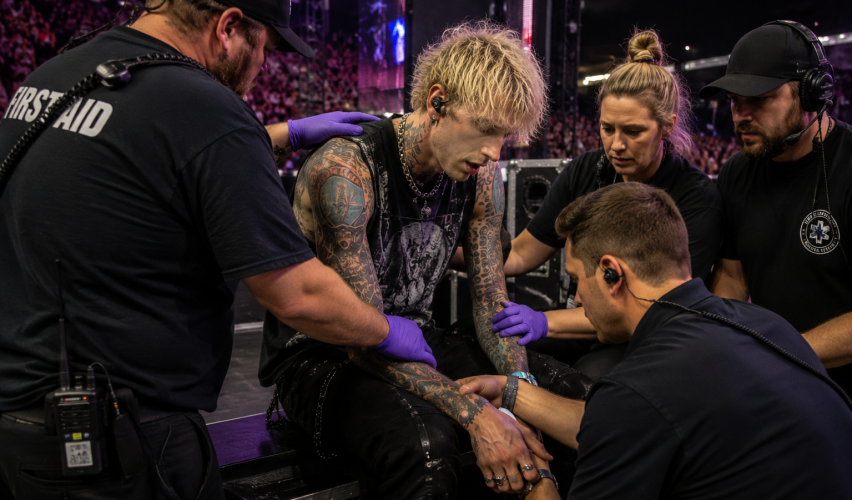
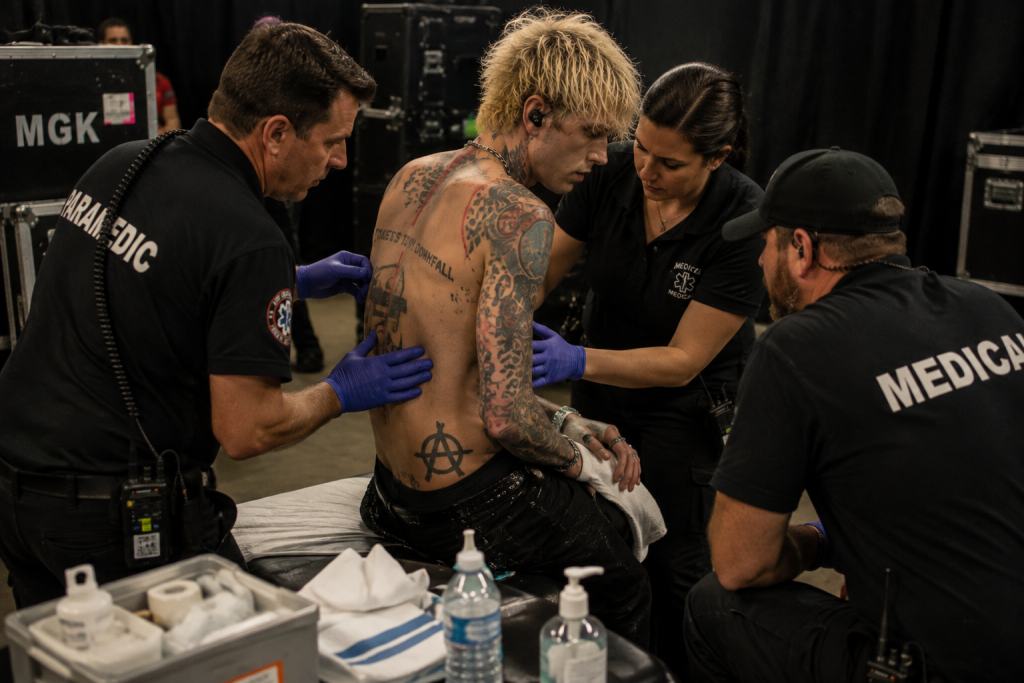
During a recent performance, MGK (Machine Gun Kelly) suffered a back injury while attempting a stage dive, prompting renewed concerns over live music safety protocols. Fans witnessed the incident as medics rushed to assist the performer. This event underscores the physical risks associated with high-energy performances, particularly for artists who interact closely with fans.
Understanding Stage Dive Risks
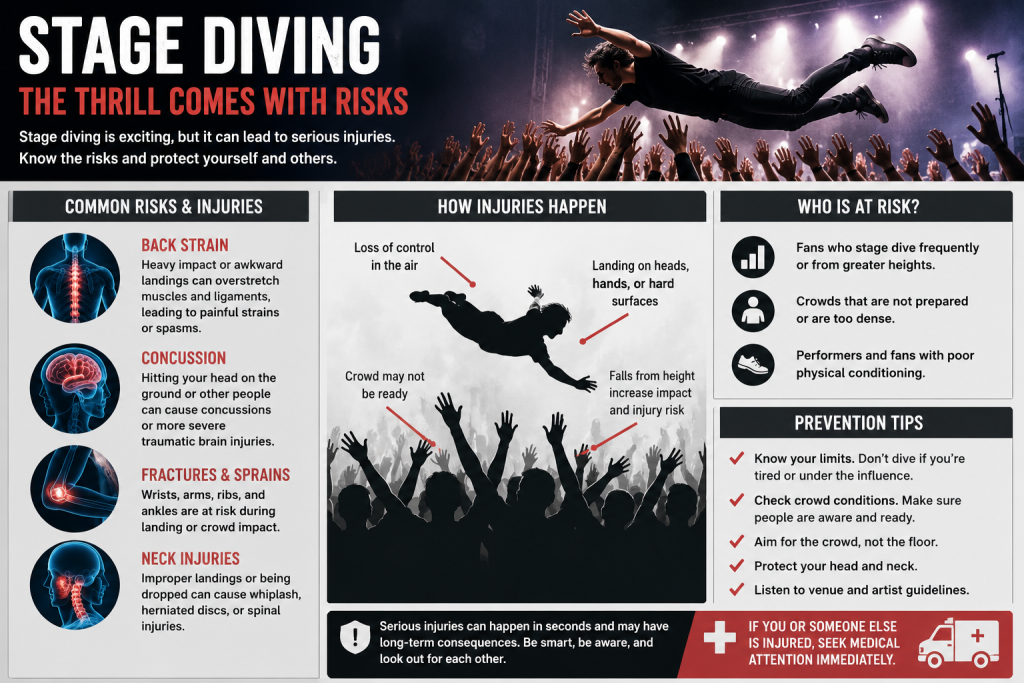
Stage dives, while exciting, can be extremely hazardous. Common injuries include:
- Back strains and spinal injuries
- Concussions and head trauma
- Broken limbs or fractures
- Soft tissue injuries from crowd mismanagement
MGK’s incident serves as a reminder that performers rely on proper safety planning and crowd coordination to minimize risks. High-energy stage acts increase the chance of accidents, especially when performers attempt stunts without safety harnesses or barriers.
Medical Response and Immediate Care
After the injury, MGK received prompt medical attention from on-site professionals. Rapid assessment and intervention are critical to prevent long-term consequences, particularly for spinal injuries. Concert venues are now emphasizing:
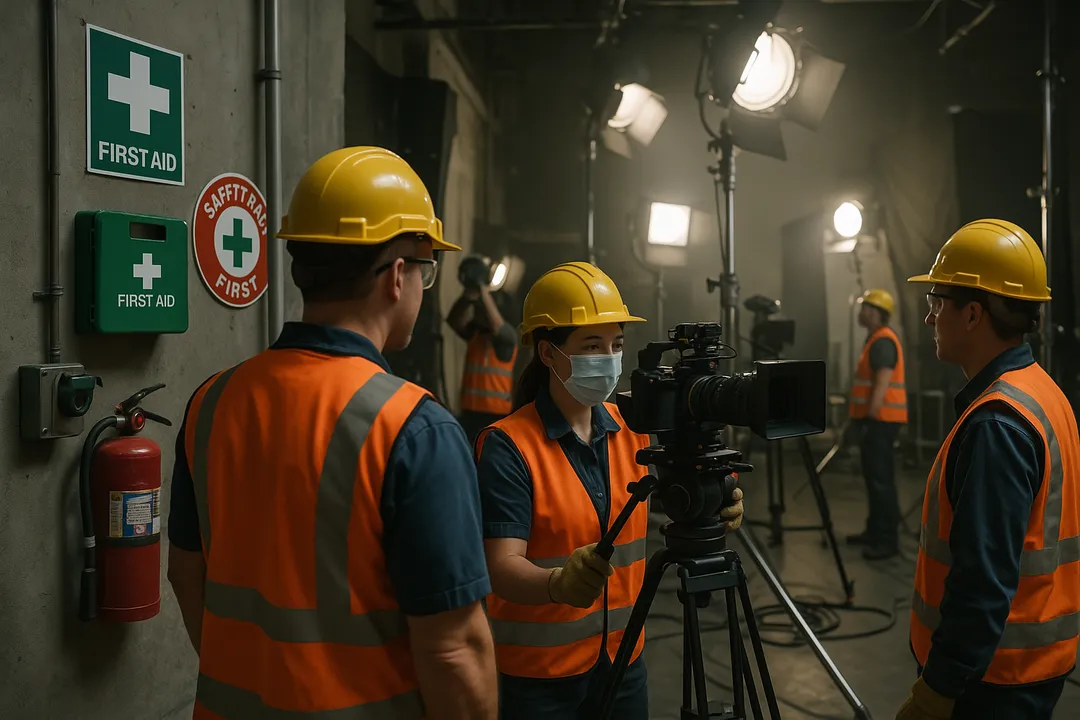
- Trained medical staff on standby
- Emergency evacuation routes
- Communication between stage crew and medical teams
Legal and Insurance Considerations
Incidents like this also raise legal questions. Concert organizers and performers often have insurance coverage to address:
- Medical expenses for injured performers
- Liability for crowd-related incidents
- Event cancellations due to artist injury
Insurance reviews often require documentation of the incident, medical reports, and verification of safety protocols in place.
Prevention and Safety Measures
Concert safety experts recommend:
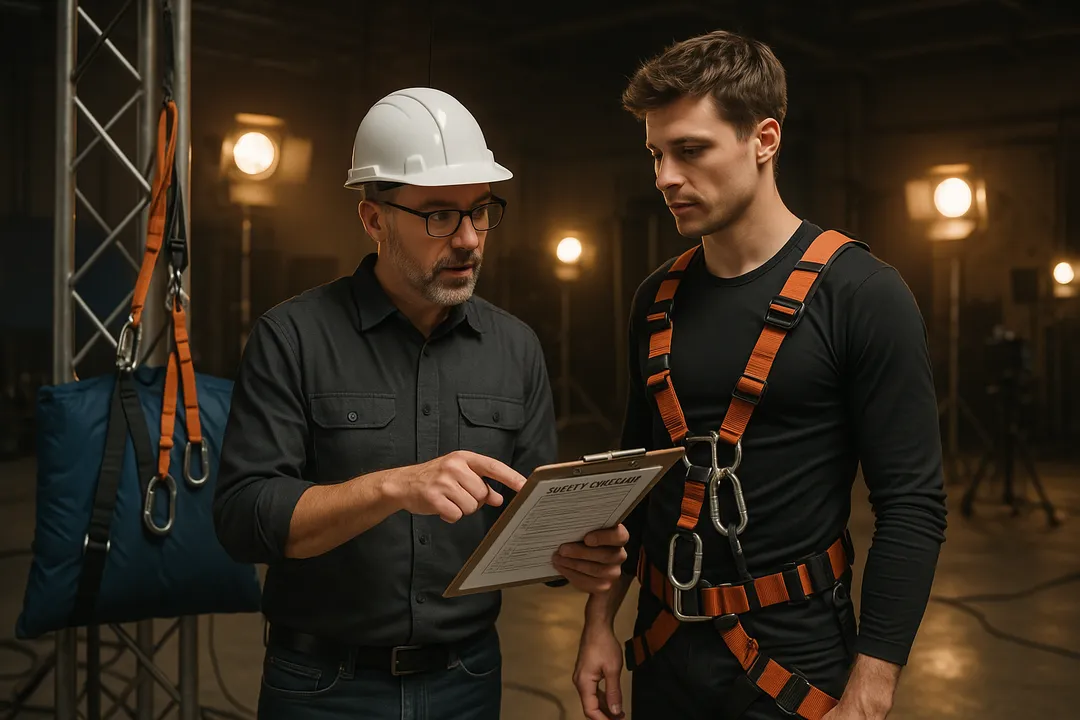
- Using crash mats and harnesses for risky stage moves
- Clear boundaries between stage and audience
- Training for stage staff and performers
- Limitations on stunts during high-energy songs
Fans and venues share responsibility for creating a safe environment. Awareness campaigns and pre-concert safety briefings can reduce the risk of accidents.
Conclusion
MGK’s back injury is a cautionary tale for artists, managers, and venues alike. Live performances are thrilling but inherently risky, and proper safety measures, medical preparedness, and insurance coverage are essential to protect both performers and audiences.
For more on concert safety and performer injuries, see our coverage of celebrity injuries and concert injuries.
External references: Billboard Concert Safety, Rolling Stone Live Performance Risks, CDC Entertainment Safety Guidelines, OSHA Event Safety Standards, NFPA Crowd Safety Resources