

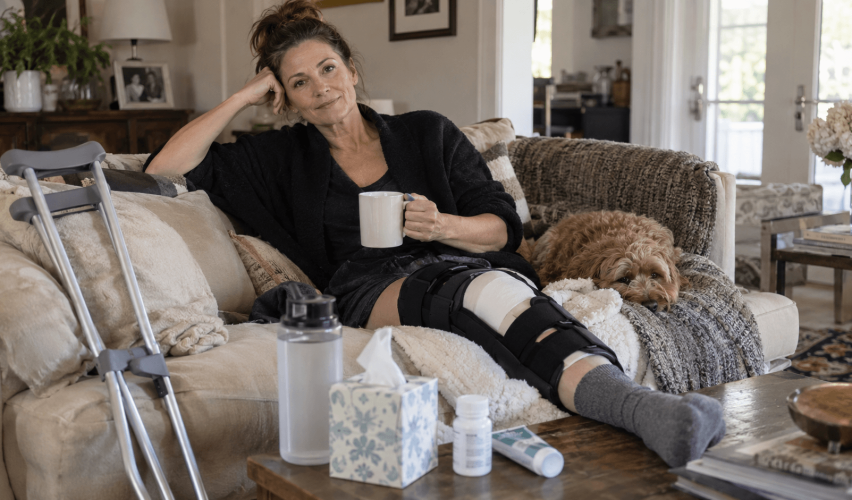
Eileen Davidson is recovering from a fractured kneecap after an unexpected cold plunge accident sent the longtime television actress into surgery. The Young and the Restless star revealed that she slipped while getting out of a cold plunge, fractured her patella, and will be sidelined for several weeks while she recovers.
The accident provides an unusual reminder that serious injuries do not always happen during high-risk stunts, athletic competitions, or dangerous film productions. An ordinary transition from a wellness activity can become hazardous when wet surfaces, changes in balance, and sudden movement combine.
Davidson shared photos showing significant swelling around her injured knee and later showed the leg supported in a brace. She also thanked the emergency medical technicians and hospital team who treated her.
What Happened To Eileen Davidson?
Davidson disclosed the injury on September 18, 2026. According to People, the 67-year-old actress said she slipped while attempting to get out of a cold plunge and fractured her patella.
She subsequently underwent surgery and said she expected to be “down for the count” for several weeks. E! News and Us Weekly also reported on her swollen knee and postoperative recovery.
Davidson did not publicly disclose the exact pattern of the fracture, what hardware may have been used, or the details of her operation. Those medical specifics should therefore remain separate from general information about patella fractures.
What Is A Patella Fracture?
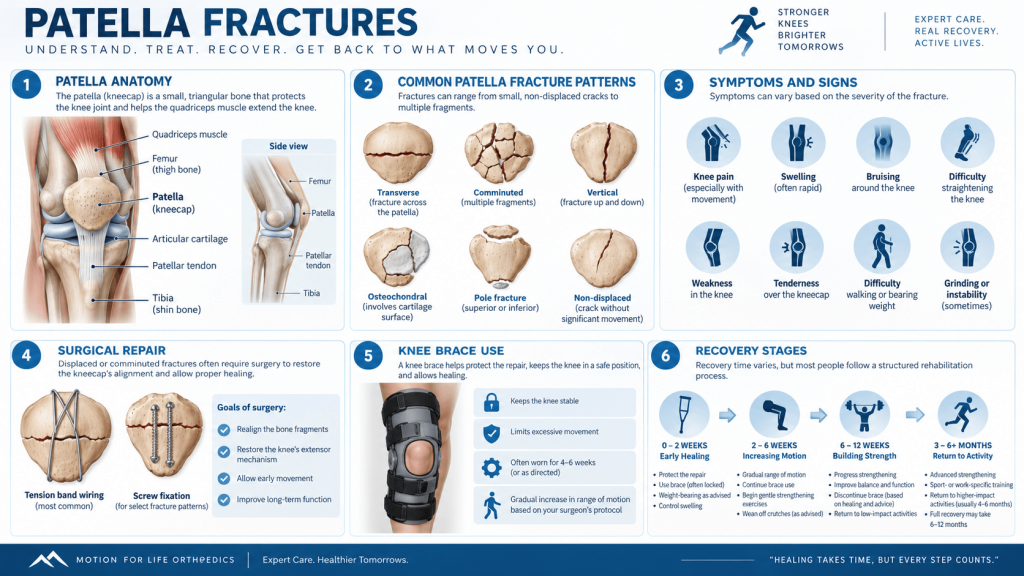
The patella, more commonly called the kneecap, is a small bone located at the front of the knee. It protects the joint and works with the quadriceps muscle and surrounding tendons to help straighten the leg.
A Cleveland Clinic guide to patella fractures explains that these injuries commonly result from direct trauma, including a fall onto the knee. A fractured kneecap may cause pain, bruising, swelling, difficulty walking, and problems straightening the leg.
The severity varies considerably. Some fractures remain aligned and can heal with immobilization, while displaced or unstable fractures may require surgical repair.
Why Might A Fractured Patella Require Surgery?
Treatment depends on how the bone broke and whether the pieces remain in the correct position. Stable fractures may sometimes be managed using a brace or cast while the bone heals.
When bone fragments are displaced, however, surgeons may need to restore alignment and stabilize the kneecap. Cleveland Clinic notes that screws, pins, plates, or wires are among the methods that can be used for some fractures.
The American Academy of Orthopaedic Surgeons also explains that the treatment plan depends on factors including the fracture pattern and whether the extensor mechanism of the knee remains intact.
Davidson has confirmed that her injury required surgery, but she has not publicly specified which procedure was performed.
How Long Can Patella Fracture Recovery Take?
Recovery after a kneecap fracture is rarely immediate. Bone healing, swelling reduction, restoration of movement, and rebuilding strength can all require time.
Cleveland Clinic notes that many patients begin feeling substantially better at around six weeks, while a return to all usual activities can take roughly three to six months depending on the injury and treatment. Individual timelines vary, especially following surgery.
Davidson herself said she expects to be recovering for “quite a few weeks,” which is consistent with the reality that an operation is only the beginning of rehabilitation.
Celeb Injuries has examined similar recovery challenges in Surgeries and Recovery: How Celebrities Bounce Back from Major Injuries.
Why Physical Therapy Can Matter After Knee Surgery
Immobilizing a knee protects a fracture while it heals, but prolonged inactivity can contribute to stiffness and muscle weakness. Rehabilitation may therefore become an important part of restoring normal function.
A physical therapist may gradually work on range of motion, strength, walking mechanics, balance, and functional movements. How quickly those exercises begin depends on the fracture and instructions from the surgeon.
The goal is not simply to make the knee feel better. Rehabilitation can help restore the coordinated function necessary for walking, climbing stairs, sitting down, standing up, and returning to professional activities.
Cold Plunges And Safety Considerations
Davidson’s accident occurred while she was getting out of a cold plunge. That does not establish that cold exposure itself caused her fall. Wet surfaces and the physical act of entering or exiting a tub can create their own slip hazards.
Cold-water immersion also causes significant physiological changes. The American Heart Association explains that sudden cold exposure can increase breathing, heart rate, and blood pressure and may temporarily affect strength and coordination as blood flow shifts toward the body’s core.
Mayo Clinic Press similarly notes that cold-water immersion has potential risks and that evidence for many claimed benefits remains limited.
Practical safety measures around a plunge or tub may include using nonslip surfaces, having secure handholds, standing up gradually, and avoiding rushed movements when entering or exiting.
Could The Injury Affect Davidson’s Acting Work?
Davidson has spent decades working in television, including her long-running role as Ashley Abbott on The Young and the Restless. Even roles that do not involve stunts can require prolonged standing, walking through sets, repeated takes, wardrobe changes, and lengthy production days.
A knee brace, restricted weight-bearing, or limited range of motion can complicate those activities. Productions sometimes respond by changing schedules, blocking scenes differently, filming seated material, or allowing performers additional recovery time.
Whether Davidson’s injury will require specific changes to her work schedule has not been publicly detailed.
Similar career-recovery issues arose after Jr NTR’s shoulder surgery and Simon Cowell’s back surgery.
Possible Long-Term Effects Of A Patella Fracture
Most people recover from kneecap fractures, but some experience lingering stiffness, pain, reduced motion, or muscle weakness. Trauma can also damage cartilage inside the knee.
Cleveland Clinic notes that post-traumatic arthritis is a potential longer-term complication after a patella fracture. That does not mean Davidson will develop arthritis; it is simply one recognized risk associated with traumatic knee injuries.
Following rehabilitation instructions and attending postoperative appointments allow doctors to monitor bone healing, range of motion, strength, and any emerging complications.

The Importance Of Not Rushing Recovery
Celebrity schedules can create pressure to return quickly, but bone healing follows biological processes rather than production calendars.
A premature return to demanding activity can potentially interfere with rehabilitation. Patients recovering from fractures should follow individualized guidance about weight-bearing, movement, exercise, and return to work.
Davidson’s public comment that she expects to be sidelined for several weeks suggests she understands that recovery will take time.
Why Davidson’s Accident Is A Useful Safety Reminder
Cold plunges have become increasingly visible in wellness and recovery culture. Yet any environment involving water can introduce straightforward physical hazards that should not be overlooked while people focus on potential health benefits.
Davidson’s injury shows how a slip can result in more than a bruise. A fall directly onto the front of the knee can generate enough force to fracture the kneecap and potentially require surgery.
The accident is therefore relevant not only as celebrity news but also as a reminder to treat wet surfaces, tubs, pools, spas, and recovery equipment as environments where basic fall prevention matters.
Final Thoughts
Eileen Davidson’s fractured patella turned a routine cold plunge into a significant orthopedic injury requiring surgery and weeks of recovery. Publicly available information confirms the fall, kneecap fracture, operation, knee brace, and expected recovery period, but the details of her fracture and surgery remain private.
Her experience highlights the importance of fall prevention, postoperative rehabilitation, patience during bone healing, and avoiding assumptions about a celebrity’s medical condition beyond confirmed information.
For more stories involving surgical recovery and celebrity injuries, visit Celeb Injuries’ Celebrity Recovery coverage.