
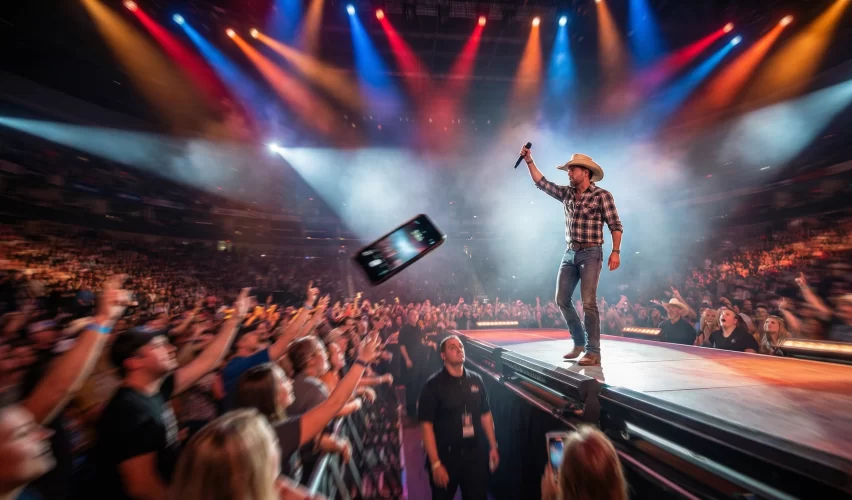
The live music experience is typically a joyous occasion for both performers and fans, but a recent event highlighted the unpredictable dangers of live shows. A shocking Riley Green on-stage injury occurred during the country singer’s performance in Melbourne, Australia, on March 15, 2026. The 37-year-old artist, known for hits like “There Was This Girl,” was suddenly struck in the head by a mobile phone thrown from the audience, leaving him bloodied and in need of immediate medical attention.
The incident unfolded rapidly, leaving the singer bloodied and requiring immediate medical attention. Video footage that quickly circulated online captured the terrifying moment the phone flew through the air, narrowly missing Green’s face before striking his right earlobe. The impact was severe enough to cause significant bleeding, prompting crew members to rush the stage with towels to manage the injury.
This alarming event underscores a growing and concerning trend of audience members throwing objects at performers. While some fans may intend to pass a phone for a selfie or a note of appreciation, the reality is that these actions can cause serious physical harm. The Riley Green on-stage injury serves as a stark reminder that the barrier between the stage and the crowd is there for a reason, and breaching it with projectiles is inherently dangerous.
Immediate Aftermath and Medical Attention
Following the impact, the immediate concern was Green’s well-being. The singer paused the performance as his team attended to the bleeding. “Wait a minute, am I bleeding?” Green was heard asking the crowd, before adding with a touch of humor, “Y’all see how tough I am?” Despite the pain and the shock of the incident, he maintained his composure and addressed the audience.
The individual responsible for throwing the phone was swiftly identified and escorted out of the venue by security personnel. Green then thanked the rest of the crowd for attending, demonstrating remarkable professionalism in the face of a distressing situation. However, the injury was not superficial; it required professional medical intervention to properly close the wound.
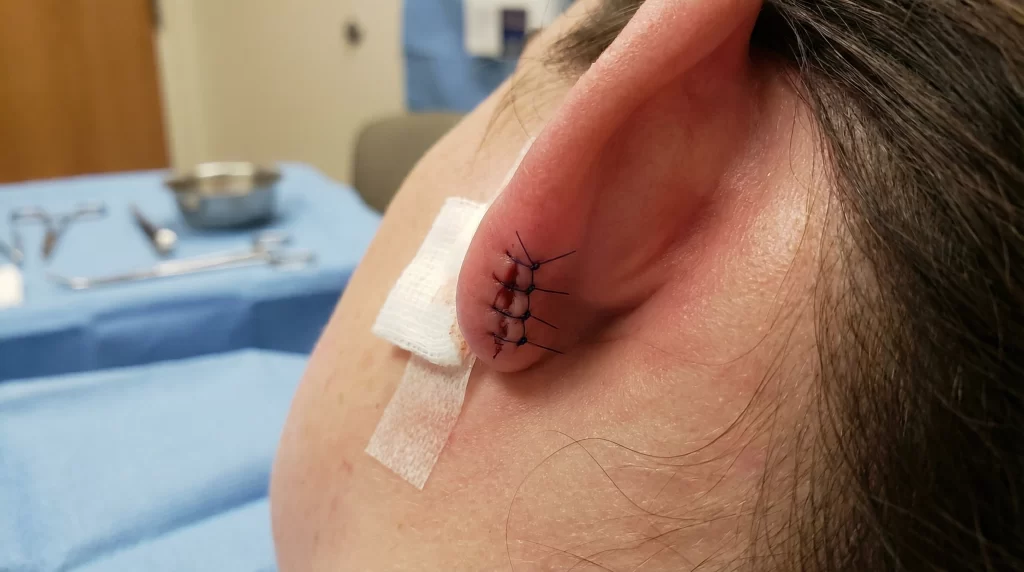
Later that evening, Green took to his Instagram Story to share the aftermath of the Riley Green on-stage injury. He posted a close-up photograph of his ear, revealing that he had received five stitches to repair the damage. He captioned the image, “5 stitches later…sewed up,” providing his fans with a direct update on his condition. According to the Mayo Clinic, lacerations that require stitches typically involve wounds deeper than a quarter-inch, indicating the force with which the object was thrown.
Social Media Reaction and Performer Resilience
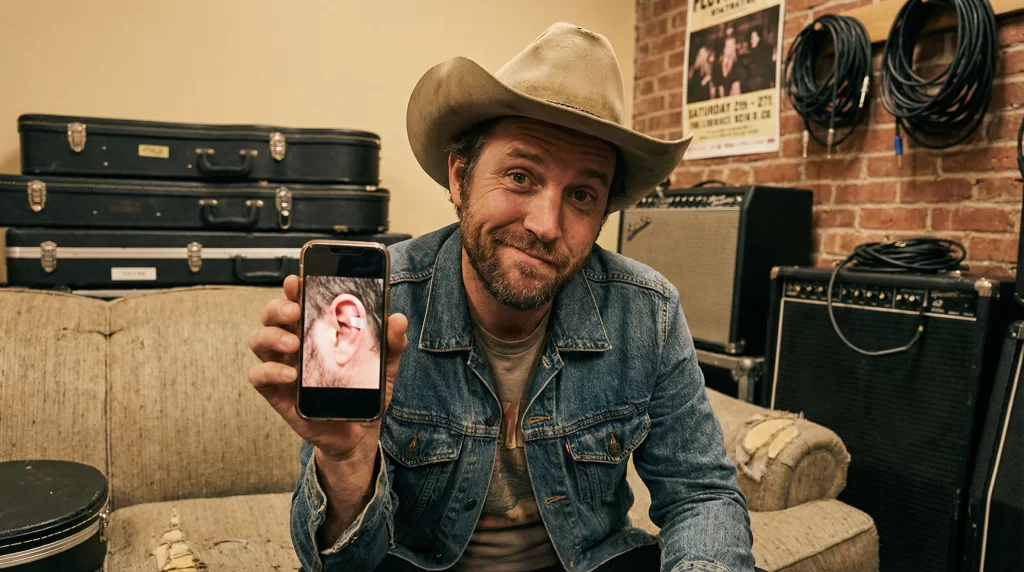
In the wake of the incident, Green utilized social media to communicate with his fans and process the event. Rather than expressing anger or outrage, he chose to make light of the situation, showcasing his resilience and sense of humor. He shared a series of photos from the night, including images of the injury, with a caption that read, “Ole buddy bout ran outta anytime minutes last night… but a hell of a time was had.”
He even joked about implementing new safety measures for future shows, suggesting he would hand out carabiners to tether fans’ phones to their belt loops at his upcoming concert in Sydney. This lighthearted approach helped to de-escalate the tension surrounding the event and reassured his supporters that he was recovering well. His ability to find humor in a painful situation endeared him further to his fanbase.
However, the underlying issue remains serious. The trend of throwing objects at artists has sparked widespread condemnation within the music industry. As reported by Billboard, numerous performers have been struck by objects in recent years, turning what should be a celebration into a safety hazard. For more insights into the hazards faced by entertainers, read our coverage on The Hidden Dangers of Live Performances.
Venue Safety and Security Protocols
The Riley Green on-stage injury inevitably raises questions about venue safety and the effectiveness of current security protocols. Concert organizers and venue management are responsible for ensuring a safe environment for both the performers and the attendees. When an incident like this occurs, it prompts a review of existing measures and a discussion on how to prevent future occurrences.
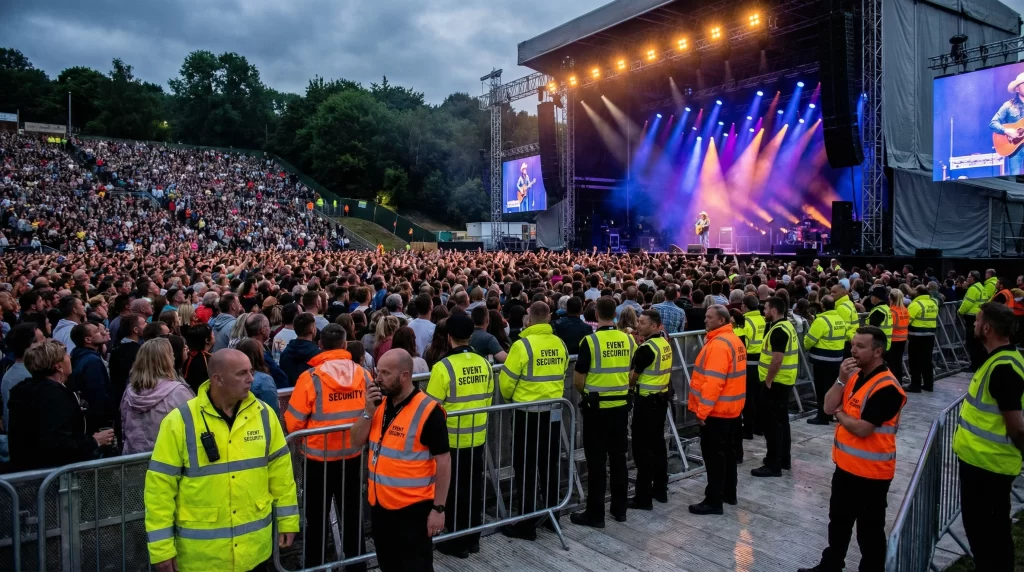
Security personnel play a crucial role in monitoring the crowd and identifying potential threats. In Green’s case, the swift removal of the individual who threw the phone demonstrates that security was active and responsive. However, preventing an object from being thrown in the first place is a much more complex challenge. It requires a combination of vigilant monitoring, clear communication of venue rules, and potentially stricter entry screenings. The Event Safety Alliance provides comprehensive guidelines for venues on managing crowd behavior and protecting performers from harm.
Some artists and venues have begun implementing stricter policies regarding what items can be brought into the concert area. While banning mobile phones is impractical, there is a growing emphasis on educating fans about concert etiquette and the severe consequences of throwing objects. The legal implications for individuals who cause harm to performers can be significant, including potential criminal charges for assault and battery. For a deeper understanding of the legal landscape surrounding celebrity injuries, explore our article on Celebrity Lawsuit Trends in Injury Cases.
The Broader Trend of Concert Projectiles
Unfortunately, the Riley Green on-stage injury is not an isolated incident. In recent years, there has been a disturbing increase in the number of performers struck by objects thrown from the crowd. Artists across various genres have been hit by everything from phones and water bottles to more bizarre items. This trend has caused significant concern within the live entertainment industry.
The motivations behind this behavior vary. Some fans may be seeking attention or attempting to create a viral moment on social media. Others may simply be caught up in the excitement of the concert and act impulsively without considering the consequences. Regardless of the intent, the result is a dangerous environment that threatens the safety of the artists and the overall quality of the live music experience.
Industry professionals are actively seeking solutions to address this issue. This includes public awareness campaigns, statements from artists urging fans to stop throwing objects, and increased security measures at venues. The goal is to foster a culture of respect and safety, ensuring that concerts remain a positive experience for everyone involved. To learn more about how the industry handles performance-related injuries, check out our piece on Stunt Double vs. Celebrity Injury Liability.
Legal and Financial Implications
When a performer sustains an injury during a concert, there are often significant legal and financial implications. The Riley Green on-stage injury, while relatively minor in the grand scheme of potential concert accidents, still required medical treatment and could have resulted in canceled shows or delayed tours. These disruptions can have substantial financial consequences for the artist, their crew, and the promoters.
In cases where an injury is severe, the legal ramifications can be complex. The injured party may pursue legal action against the individual responsible for throwing the object, seeking compensation for medical expenses, lost wages, and pain and suffering. Additionally, questions of liability may arise concerning the venue’s security measures and whether they were adequate to protect the performer. According to Nolo’s legal encyclopedia, throwing an object that causes bodily harm can constitute criminal assault and battery, regardless of intent.
Many artists carry specialized insurance policies to mitigate the financial risks associated with injuries and tour cancellations. These policies are essential for protecting their livelihoods in an unpredictable industry. For a comprehensive look at how celebrities protect themselves financially, read our detailed analysis of Insurance Policies for Celebrities’ Body Parts.
A Call for Concert Etiquette
The Riley Green on-stage injury serves as a highly visible example of the dangers performers face from unruly crowd behavior. While Green’s resilience and humor in the aftermath are commendable, the incident highlights a serious issue that requires attention from both the industry and the fans. Throwing objects at the stage is never acceptable and can result in severe physical harm.
As the live music industry continues to grapple with this trend, the focus must remain on education, improved security measures, and fostering a culture of mutual respect. Fans play a vital role in ensuring that concerts are safe and enjoyable for everyone. By adhering to basic concert etiquette and refraining from throwing objects, audiences can help protect the artists they love.
We will continue to monitor this issue and report on any further developments regarding performer safety. For more information on how celebrities navigate the complexities of injuries and recovery, read about Surgeries and Recovery How Celebrities Bounce Back.