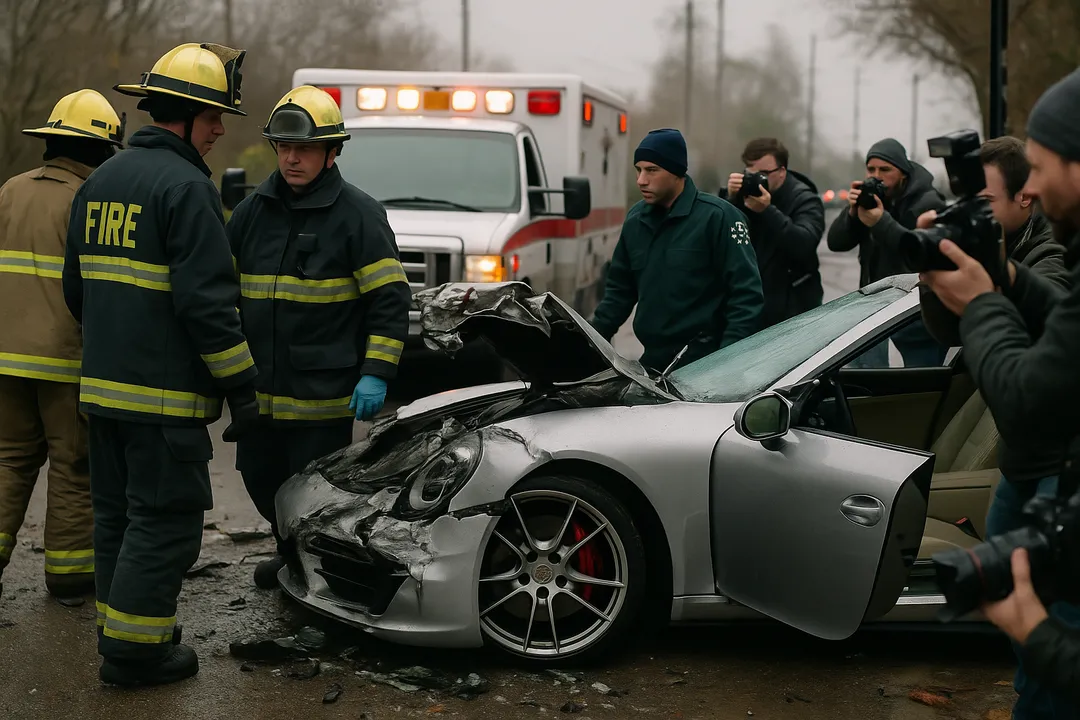

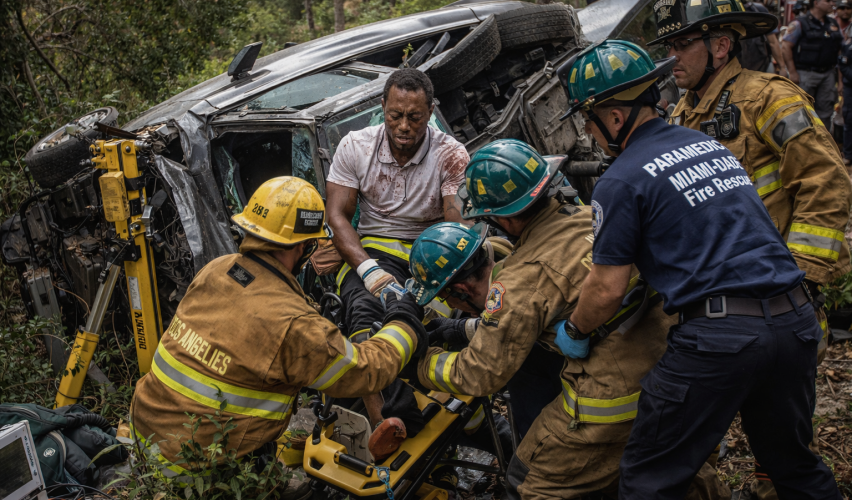
Golf legend Tiger Woods was involved in a rollover car crash in Jupiter Island, Florida in March 2026. While no serious injuries were immediately reported, the incident included a DUI investigation and renewed scrutiny on celebrity road safety and accountability.
Crash Details: What Happened?
At approximately 2 p.m. on March 27, 2026, Woods’ vehicle overturned along Beach Road in Jupiter Island. Law enforcement responded quickly, and though witnesses reported that Woods “appeared okay,” authorities documented the rollover and conducted field sobriety tests.
Initial reports indicated no serious injuries, but emergency responders still evaluated Woods at the scene. It’s not uncommon for rollover accidents — even at moderate speeds — to cause injuries that emerge hours later, especially with neck and back strain.
More Celebrity Accident Coverage |
Latest Celebrity Injury Stories
DUI Review and Legal Considerations
Although Woods was subjected to DUI tests, no alcohol was detected, and he declined a urinalysis. This procedural step triggered legal reporting requirements and drew attention to how DUI laws interact with celebrity public figures.
In Florida, refusing a lawful test can lead to penalties independent of crash findings. For deeper legal context, see Florida DUI Laws and our legal insights on high‑profile cases such as Celebrity Lawsuit Trends.
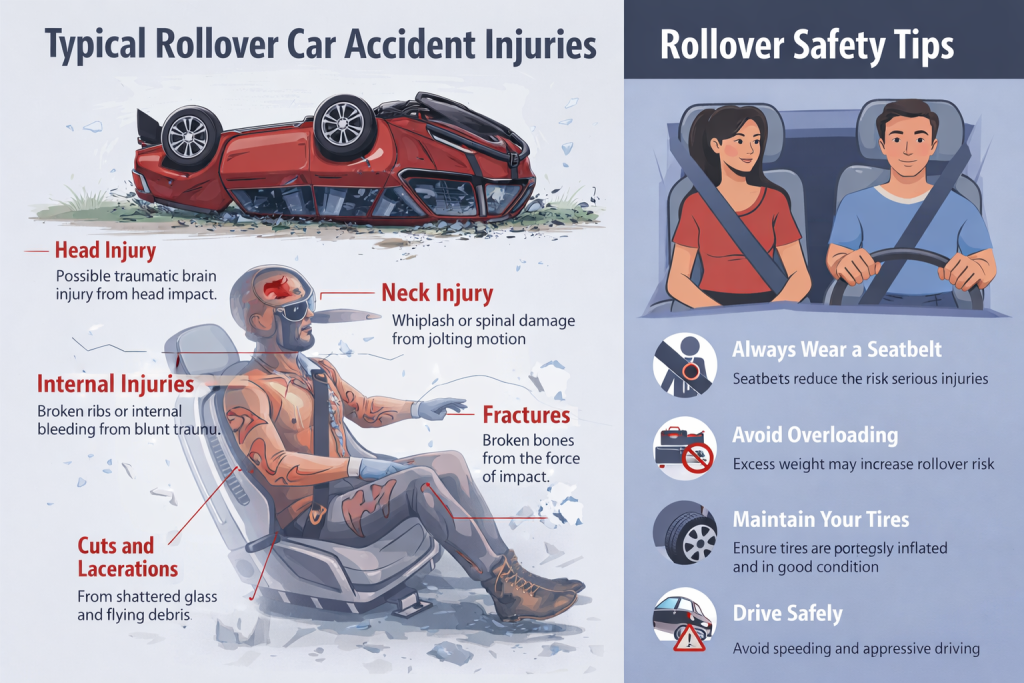
The Impact of Rollover Crashes on Injuries
Rollover accidents rank among the most dangerous collisions due to the risk of occupant ejection, roof crush, and secondary impacts. According to the National Highway Traffic Safety Administration (NHTSA), rollover crashes have higher fatality rates compared to other collisions. NHTSA Rollover Crash Data
Woods’ Recovery and Public Reaction
While Woods did not report immediate serious injuries, rollover crashes can cause delayed symptoms like whiplash, concussion, and soft tissue strains. His history of multiple surgeries and injuries from previous incidents makes even minor accidents noteworthy. Sports medicine experts often recommend medical follow‑ups within 24–48 hours after rollover impacts for thorough evaluation.
Fans and media commentators reacted strongly, balancing concern for Woods’ well‑being with discussions about responsibility and road conduct for high‑profile figures. The crash adds to Woods’ long list of public safety incidents, including earlier car wrecks in his career.
Road Safety Takeaways for Fans and Drivers
Beyond celebrity news, Woods’ crash serves as a reminder about safe driving practices: always wear seat belts, obey speed limits, and never hesitate to seek medical evaluation after a rollover or collision. For more road safety tips, visit the National Safety Council’s Road Safety Guide.
Stay tuned for any updates on legal proceedings or medical reports arising from this incident.
- NHTSA Crash Statistics
- Florida DUI Laws
- NSC Road Safety Guide
- Sports Coverage of Tiger Woods
- AP News: Tiger Woods 2026 Crash