
A Sudden Serve and a Serious Scare
Recreational sports are a fantastic way to stay active, but they are not without their hidden dangers. Recently, the news of a Kate Bolduan eye injury sent shockwaves through the media landscape. The prominent CNN anchor suffered a severe corneal injury while playing tennis, a stark reminder of how quickly a casual game can turn into a medical emergency. This incident has brought much-needed attention to the often-overlooked risks associated with common athletic activities.
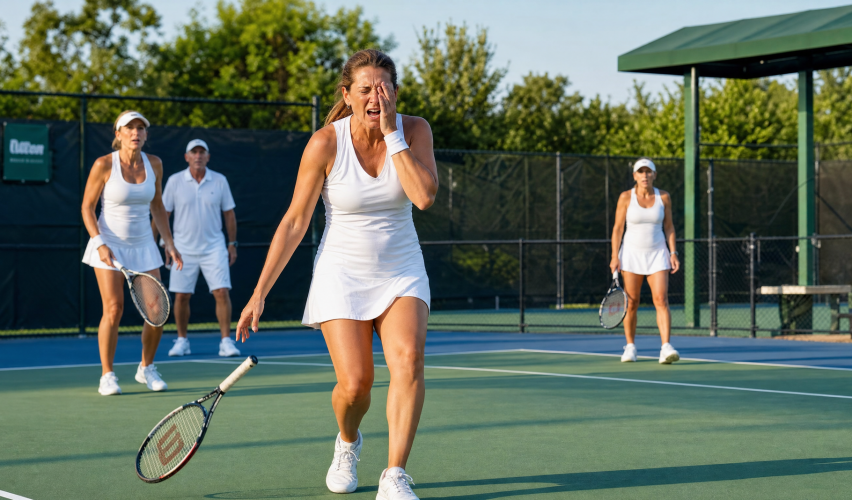
According to reports from Oxi50, the anchor was struck in the eye during a match, resulting in immediate and intense pain. While tennis is generally considered a non-contact sport, the speed at which the ball travels makes it a significant hazard for facial trauma. The suddenness of the injury highlights the unpredictable nature of sports-related accidents, even for experienced players.
The news of her injury quickly spread, prompting discussions about safety protocols in recreational sports. This type of sudden, high-impact injury is unfortunately common. For more insights into how athletes and public figures handle sudden health crises, you can read our coverage on Sports Celebrity Achilles and Career-Ending Injuries.
The Severity of Corneal Injuries
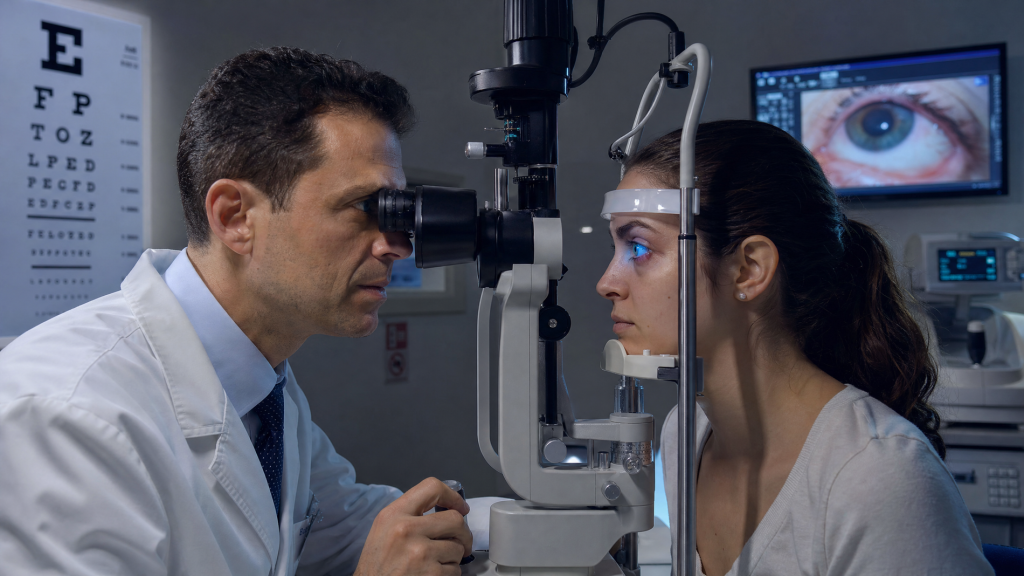
The specific details of the Kate Bolduan eye injury reveal a highly painful and potentially dangerous condition. A corneal injury, such as an abrasion or a tear, involves damage to the clear, protective outer layer of the eye. The cornea is incredibly sensitive, packed with nerve endings that make even a minor scratch excruciatingly painful. When struck by a high-velocity object like a tennis ball, the damage can be extensive.
The cornea acts as the eye’s outermost lens, functioning like a window that controls and focuses the entry of light. When it is damaged, vision can become blurred or distorted. The American Academy of Ophthalmology (AAOS) notes that while minor corneal abrasions can heal within a few days, deeper injuries require immediate medical intervention to prevent infection and permanent scarring, which can lead to irreversible vision loss.
The immediate aftermath of such an injury involves intense pain, tearing, redness, and extreme sensitivity to light. Prompt medical evaluation by an ophthalmologist is essential to assess the extent of the damage and prescribe appropriate treatments, such as antibiotic drops or specialized contact lenses to aid healing. To understand more about the medical aspects of recovering from severe trauma, explore our article on Surgeries and Recovery How Celebrities Bounce Back.
The National Crisis of Preventable Vision Loss
This high-profile incident serves as a crucial entry point into a much larger public health discussion. The Kate Bolduan eye injury is a stark reminder of the preventable vision loss crisis that plagues millions of Americans every year. While her injury was acute and trauma-induced, it highlights the fragility of our eyesight and the importance of proactive eye care.
According to the Centers for Disease Control and Prevention (CDC), more than 140 million Americans suffer from eye problems or vision loss. Staggeringly, over 44% of Americans experience some form of vision impairment. The American Academy of Ophthalmology estimates that at least 2.5 million people in the United States live with vision loss that could have been entirely prevented with proper eye care and safety measures.
The leading causes of preventable vision loss include cataracts, glaucoma, age-related macular degeneration, and diabetic retinopathy. However, eye injuries from sports and leisure activities also account for a significant number of cases. The psychological impact of facing potential vision loss can be profound. For a deeper dive into how public figures navigate the psychological aftermath of severe injuries, explore our detailed analysis of Mental Health Injuries and Celebrity Recovery.
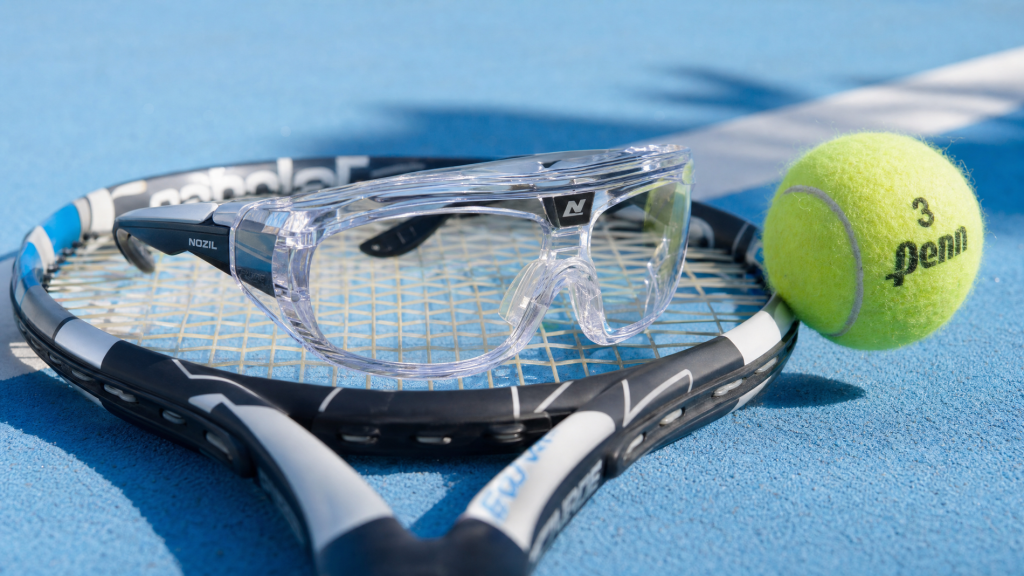
The Importance of Protective Eyewear in Sports
When a prominent figure suffers a severe injury, it often prompts a reevaluation of safety standards. The Kate Bolduan eye injury should serve as a wake-up call for athletes of all levels regarding the use of protective eyewear. Activities like tennis, basketball, and hockey carry high risks for eye trauma, yet the use of safety goggles remains surprisingly low among amateur players.
Dr. J. Peter Campbell, CEO of the AAO, has emphasized that most athletes who suffer severe eye injuries are never again able to participate in their sport, and many are left with permanent vision impairment in the affected eye. The National Eye Institute (NEI) strongly advocates for the use of polycarbonate protective eyewear, which is highly impact-resistant and can prevent up to 90% of sports-related eye injuries.
The reluctance to wear protective gear often stems from concerns about comfort or aesthetics. However, the potential consequences of an unprotected impact far outweigh these minor inconveniences. To learn more about how the entertainment and sports industries manage safety risks, you can read about Stunt Double vs. Celebrity Injury Liability.
Recovery and Raising Awareness
As Kate Bolduan recovers from her corneal injury, her experience is already raising vital awareness about eye safety. Her platform as a CNN anchor allows her to reach millions, turning a personal medical scare into a public health lesson. The recovery process for a severe corneal injury requires patience, strict adherence to medical advice, and regular follow-up examinations to monitor healing and prevent complications.
Furthermore, understanding one’s physical limits and being aware of the inherent risks of any activity are critical components of injury prevention. While a corneal abrasion is painful and disruptive, it is generally highly treatable if caught early. However, high-speed collisions on the court can result in far more devastating outcomes, including retinal detachment or globe rupture.
Conclusion: A Clear Vision for Safety
The Kate Bolduan eye injury is a painful setback for the respected journalist, but it serves as a powerful reminder of the fragility of our vision. A corneal injury is a serious medical event that demands proper care and a dedicated rehabilitation process. As she focuses on healing, her audience and colleagues undoubtedly wish her a swift and complete recovery.
While this tennis accident may temporarily halt her on-screen reporting, her story proves that eye safety must be a priority for everyone. We look forward to seeing her return to full health and eventually back on our television screens, perhaps with a renewed advocacy for protective eyewear. For more stories on how celebrities navigate unexpected challenges, check out our piece on Celebrity Health Scares That Shook the World.