
A Devastating Blow on the Court
The world of professional sports is incredibly demanding, and the physical toll it takes on athletes is immense. Recently, the WNBA community was rocked by the news of a severe Rickea Jackson torn ACL. The Chicago Sky forward suffered a catastrophic knee injury during a highly competitive game against the Minnesota Lynx. This incident highlights the brutal reality of professional basketball and the severe physical risks that even the most elite athletes face every time they step onto the court.
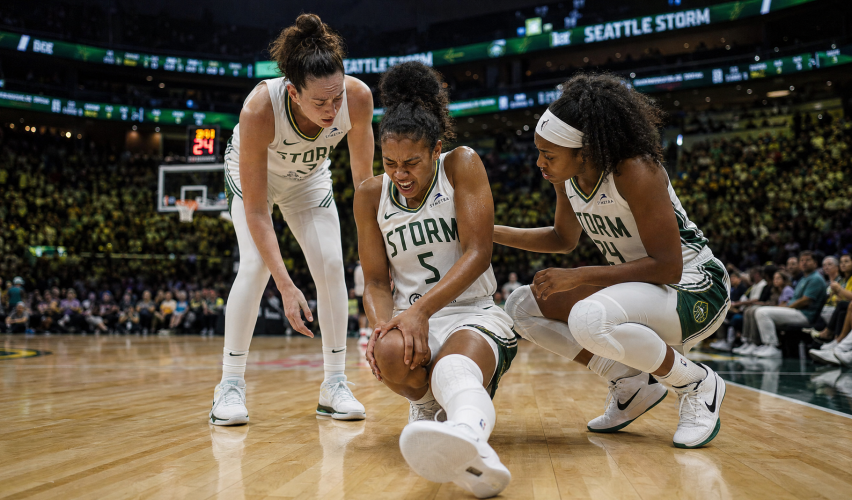
According to reports from Yahoo Sports, Jackson was injured late in the first half of the game. She bumped into an opposing player on a drive before coming to an abrupt stop. Planting her left foot firmly, her knee suddenly gave out. She was immediately helped to the locker room by the Sky’s medical staff and ruled out for the remainder of the contest. The suddenness of the injury underscores the unpredictable nature of sports, where a single awkward movement can alter the course of a season.
The news of her injury quickly dominated sports media, prompting intense discussions about player safety and the grueling WNBA schedule. This type of sudden, high-impact injury is unfortunately a known risk in basketball. For more insights into how athletes handle sudden health crises, you can read our coverage on Top 10 Career-Ending Sports Injuries Among Famous Athletes.
The Devastating Impact of an ACL Tear
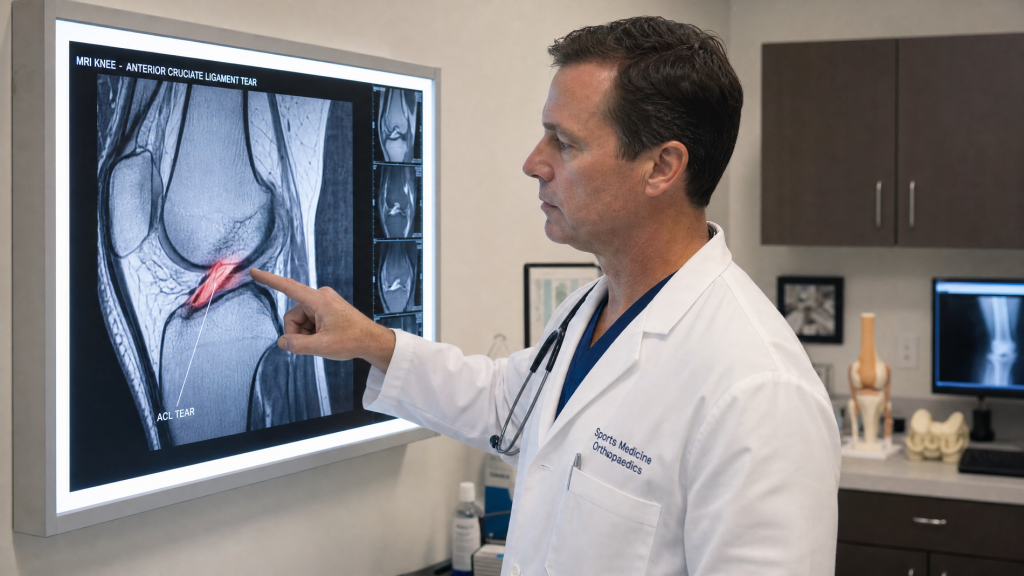
The specific details of the Rickea Jackson torn ACL reveal a highly painful and complicated medical situation. An anterior cruciate ligament (ACL) tear is one of the most feared injuries in sports. The ACL is a crucial ligament in the center of the knee that provides rotational stability. When it tears, the consequences are immediate and debilitating, often requiring extensive surgical intervention.
The knee plays a vital role in basic athletic functions, including jumping, pivoting, and sudden deceleration. When the ACL is compromised, these functions are severely impaired. The American Academy of Orthopaedic Surgeons (AAOS) notes that treatment for a torn ACL almost always requires reconstructive surgery for professional athletes. This typically involves replacing the torn ligament with a tissue graft, a procedure that demands immense surgical precision.
The immediate aftermath of such an injury involves intense pain, significant swelling, and an inability to bear weight on the affected leg. In many cases, the athlete must undergo pre-habilitation to reduce swelling before surgery can even take place. To understand more about the medical aspects of recovering from severe sports trauma, explore our article on Surgeries and Recovery How Celebrities Bounce Back.
A Season Cut Short for a Rising Star
This high-profile incident serves as a crucial entry point into a much larger discussion about the physical demands placed on WNBA players. The Rickea Jackson torn ACL is a stark reminder that while these games are thrilling entertainment, the physical risks are very real. Jackson, drafted fourth overall in the 2024 WNBA Draft, had been the Sky’s leading scorer, averaging an impressive 18 points per game.
However, the transition to professional basketball involves playing against individuals who are stronger, faster, and more experienced. The American College of Sports Medicine (ACSM) emphasizes that female athletes are statistically more prone to ACL injuries than their male counterparts due to biomechanical and hormonal differences. The allure of a championship run must always be weighed against these severe health risks.
The psychological impact of facing a season-ending injury during a breakout year can be profound. For a deeper dive into how public figures navigate the psychological aftermath of severe injuries, explore our detailed analysis of Mental Health Injuries and Celebrity Recovery.
The Long Road to Recovery
When a prominent athlete suffers a severe injury, it often prompts a reevaluation of their team’s strategy. The Rickea Jackson torn ACL has led to widespread speculation about the Chicago Sky’s playoff hopes. The recovery process for a torn ACL is grueling and requires immense patience and strict adherence to medical advice, often taking nine to twelve months.
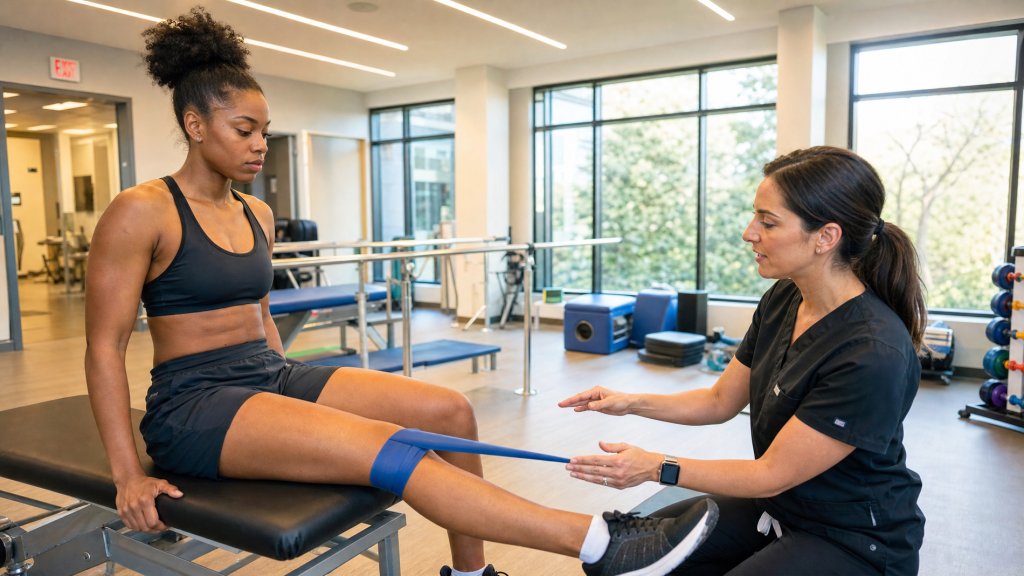
Patients recovering from ACL reconstruction face a long, arduous rehabilitation process. The Mayo Clinic advises that physical therapy is crucial to restore knee mobility and strength. The risk of re-injury or developing osteoarthritis later in life is also a significant concern for athletes returning to high-impact sports.
The reluctance to rush back onto the court after such a traumatic event is entirely understandable. The potential consequences of a secondary impact to a healing knee could be catastrophic. To learn more about how the sports industry manages safety risks and career longevity, you can read about Athlete Recovery Challenges.
Career Implications and Future Prospects
As Rickea Jackson recovers from her torn ACL, her experience is raising vital questions about the longevity of professional basketball players. Her platform allows her to reach millions, turning a personal medical crisis into a public discussion about the brutal realities of the sport. The recovery process will undoubtedly test her physical and mental resilience.
Furthermore, understanding one’s physical limits and being aware of the inherent risks of professional sports are critical components of an athlete’s career. While an ACL tear is painful and disruptive, modern medicine makes a full return possible. However, the psychological hurdle of stepping back onto the court and trusting the repaired knee is often the hardest obstacle to overcome.
Conclusion: A Uncertain Future on the Court
The Rickea Jackson torn ACL is a devastating setback for the rising star, serving as a powerful reminder of the unforgiving nature of professional basketball. An anterior cruciate ligament tear is a serious medical event that demands proper surgical care and a dedicated rehabilitation process. As she focuses on healing, her massive fanbase and the WNBA community await her triumphant return.
While this brutal injury has permanently halted her 2026 season, her story proves that the risks of the court are very real, regardless of a player’s talent level. We look forward to seeing her return to full health, ready to dominate the league once again. For more stories on how celebrities navigate unexpected challenges, check out our piece on Kyrie Irving’s Knee Injury Behind the Headlines.