
Ray LaMontagne became the focus of a major celebrity health story after collapsing onstage during a Nashville concert. The Grammy-winning singer-songwriter was performing at the Ryman Auditorium on September 5 when the incident occurred during his Trouble 20th Anniversary Tour.
According to People, LaMontagne was performing his song “Jolene” when fan-captured footage showed him falling backward while holding his guitar. His team later shared that he was in good hands with local EMS and was being treated for heat-related dehydration.
The incident sparked concern among fans because onstage collapses can look alarming in real time. It also highlighted how physically demanding live performances can become, even for artists whose shows appear calmer than high-energy pop or rock productions.
What Happened During The Nashville Concert?
LaMontagne was performing at Nashville’s historic Ryman Auditorium as part of his tour celebrating the 20th anniversary of Trouble. The Ryman Auditorium listed his September performances as part of that anniversary run.
Reports describe the collapse as sudden. As LaMontagne reached the end of “Jolene,” he appeared to struggle, grabbed the microphone stand, and fell backward. The show ended early after the medical event.
NME reported that his team later said he was being treated for heat-related dehydration and was doing well. That update was important because it gave fans a clearer explanation while avoiding unsupported speculation about other medical conditions.
Why Heat-Related Dehydration Can Be Serious
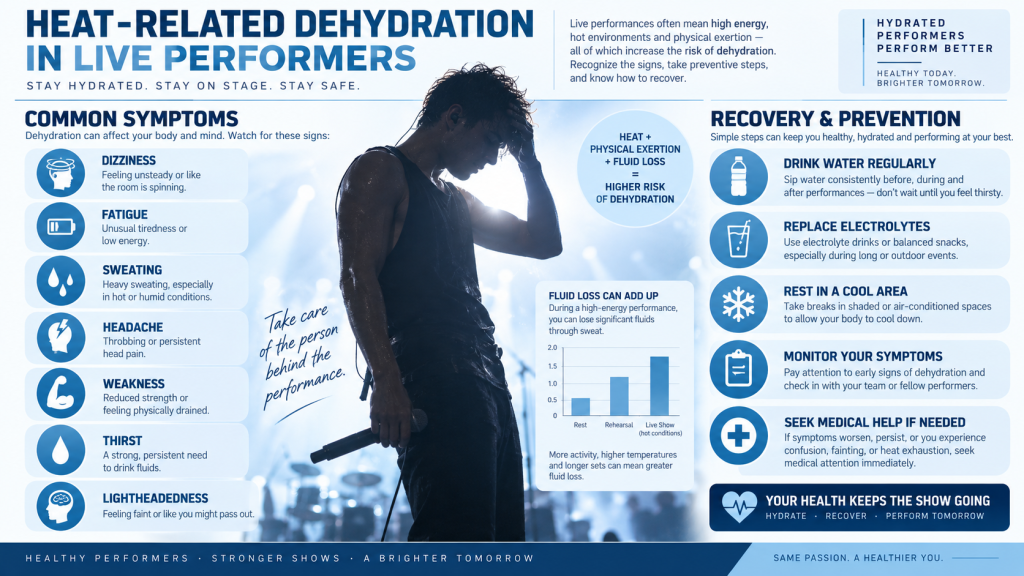
Heat-related dehydration happens when the body loses more fluid than it takes in. During a concert, performers may lose fluid through sweating, stage heat, physical exertion, and long periods under bright lights.
The Mayo Clinic explains that dehydration symptoms can include dizziness, fatigue, confusion, and extreme thirst. Severe dehydration may require medical treatment.
The CDC/NIOSH heat illness guide also notes that heat-related illness can involve symptoms such as cramps, exhaustion, fainting, and heat stroke. While LaMontagne’s team identified heat-related dehydration, fans should avoid assuming more than what his representatives publicly shared.
Why Concerts Can Increase Health Risks
Concerts can be physically demanding even when a performer is not dancing or running across the stage. A singer may spend hours preparing, warming up, doing sound checks, meeting production staff, and then performing under hot lighting.
For an acoustic performer, the physical strain may be less obvious to the audience. However, standing, singing, playing guitar, managing breathing, and staying focused for a full set still require endurance.
Travel can also affect performer health. Tours may involve long drives, flights, time zone changes, hotel stays, irregular meals, and limited recovery time between performances.
Celeb Injuries has covered similar themes in its Celebrity Health Scares section and its broader Celebrity Injury coverage.
The Role Of EMS At Live Events
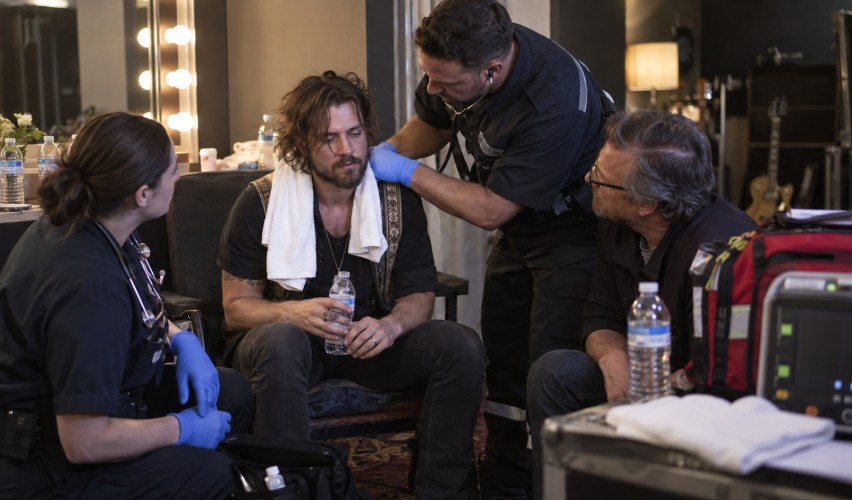
LaMontagne’s team said local EMS provided care after the incident. That detail matters because live venues must be prepared for unexpected health events involving performers, crew, or fans.
Medical response planning may include emergency access routes, first-aid supplies, trained staff, coordination with local responders, and clear communication between venue security and tour personnel.
When a performer collapses, quick evaluation can help determine whether the person needs hydration support, rest, transport, monitoring, or additional testing.
How Tour Teams May Respond After A Collapse
After a performer health scare, tour teams may need to evaluate whether the next scheduled performance should proceed. That decision can involve the performer, doctors, tour managers, promoters, venue staff, and sometimes insurers.
Reports indicated that LaMontagne’s team said he was looking forward to returning to the stage. Still, every health situation is different, and future performance decisions should be based on medical guidance rather than fan pressure.
Tour teams may review hydration practices, stage temperature, dressing room conditions, rest breaks, travel timing, and emergency response plans. Those practical changes can reduce the risk of another health-related interruption.
Insurance And Concert Disruptions
When a show ends early or a tour schedule changes, business issues can arise. Ticketing, refunds, venue obligations, promoter contracts, and production costs may all come into play.
Some tours carry insurance policies that address certain covered cancellations or interruptions. Coverage depends on policy language and the exact circumstances surrounding the event.
Readers can learn more from Celeb Injuries’ article on the role of insurance in high-profile injury cases.
Why Fans Should Avoid Medical Speculation
Onstage medical events often spread quickly through social media. Videos may show the moment something happened, but they rarely provide full medical context.
In LaMontagne’s case, his team provided a specific public update: heat-related dehydration. That should guide responsible coverage unless additional verified information becomes available.
Speculation about hidden conditions, long-term diagnosis, or unrelated health issues can be misleading. Celebrity health reporting should focus on confirmed facts and general safety education.
What This Means For Performer Safety
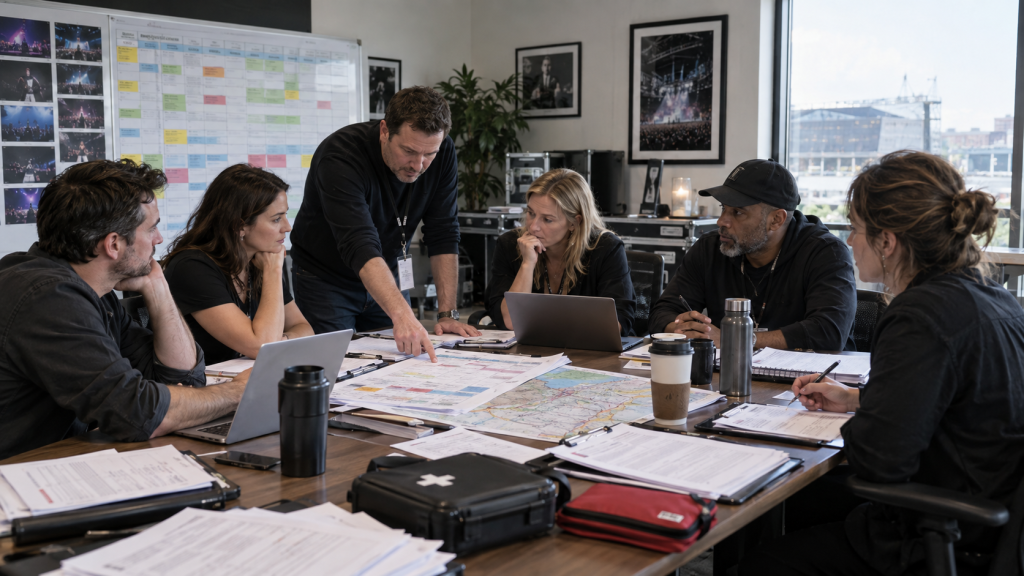
LaMontagne’s collapse is a reminder that performer safety is not limited to stunt work, pyrotechnics, or high-risk choreography. Basic health needs such as hydration, rest, cooling, and monitoring can be just as important.
Concert teams can help by maintaining cool backstage areas, encouraging fluid intake, monitoring extreme temperatures, and adjusting schedules when artists show signs of fatigue or illness.
The CDC’s heat and health guidance recommends knowing the signs of overheating and when to seek care. That advice applies broadly to workers, athletes, performers, and anyone exposed to heat stress.
Final Thoughts
Ray LaMontagne’s onstage collapse was a frightening moment for fans, but public updates indicate that he received EMS care and was treated for heat-related dehydration. The incident highlights the physical demands of touring and the importance of health planning at live events.
For performers, tour teams, and venues, the story reinforces a simple point: even experienced artists need proper hydration, cooling, rest, and emergency support during demanding concert schedules.