

The life of a touring musician is often glamorous, but it also comes with unexpected physical risks. A recent incident involving a prominent pop star highlights these dangers perfectly. A severe Jessie J head injury occurred during the singer’s “No Secrets” Tour in Hangzhou, China, in late March 2026. The 37-year-old artist, whose real name is Jessica Ellen Cornish, experienced a terrifying moment that led her to believe she had broken her neck, sending shockwaves through her fanbase and the entertainment world.
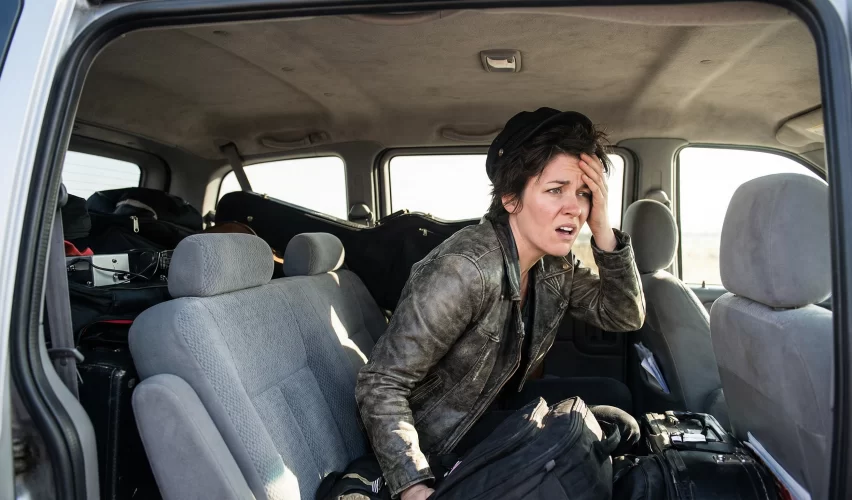
The accident happened in a seemingly mundane situation. While traveling with her team, Jessie J volunteered to sit in the back of a minivan, stating she didn’t “mind squashing in the back.” Unfortunately, this decision led to her forcefully bumping her head against the roof of the vehicle. The impact was significant enough to cause immediate and severe pain, prompting serious concern among her crew and necessitating urgent medical attention.
This incident underscores the unpredictable nature of travel and the physical toll it can take on performers. While fans often focus on the energy exerted on stage, the logistics of moving between venues can be equally hazardous. The Jessie J head injury serves as a stark reminder that accidents can happen anywhere, even in the confined space of a tour vehicle. Moreover, it raises important questions about the safety protocols that touring teams should have in place to protect their artists during transit.
Emergency Medical Response and MRI
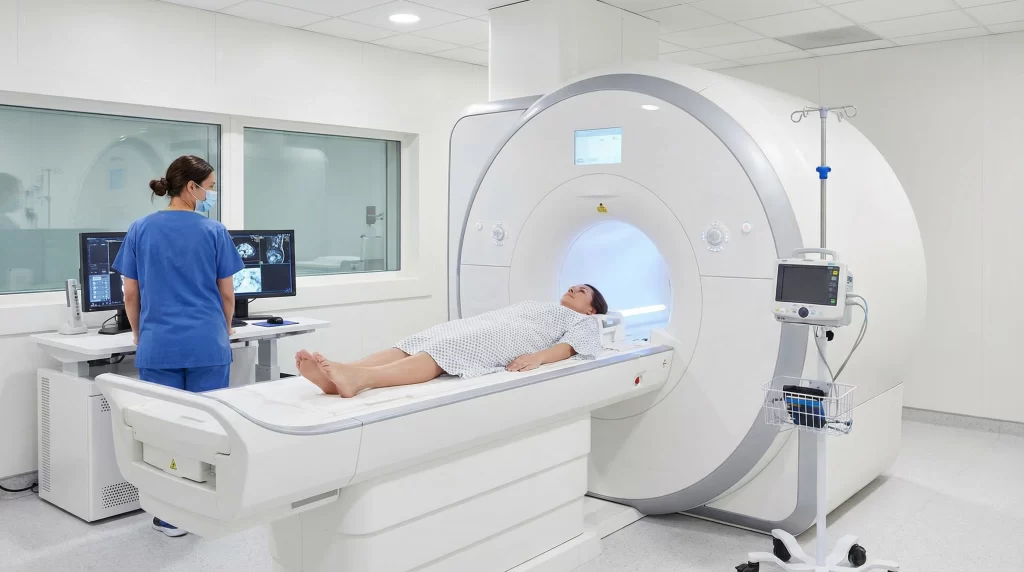
Following the impact, the immediate priority was assessing the extent of the damage. Given the location of the pain and her inability to move her head, the situation was treated as a potential spinal emergency. Jessie J was rushed to a local hospital in Hangzhou, where medical professionals quickly ordered an emergency MRI (Magnetic Resonance Imaging) scan to rule out any fractures or severe spinal cord damage.
The singer documented this harrowing experience, sharing footage of herself undergoing the MRI scan with her millions of followers on Instagram. The visual of the pop star in a medical facility, far from home, provided a raw and vulnerable look at the realities of dealing with a sudden health crisis while on the road. According to the Mayo Clinic, an MRI is a crucial diagnostic tool for evaluating soft tissue injuries, spinal cord trauma, and potential fractures that might not be visible on a standard X-ray, making it the appropriate first step in assessing a suspected neck injury.
The anxiety surrounding a potential neck break is immense. “I thought I broke my neck, but I haven’t,” she later explained to her crew. The relief of learning that her spine was intact was palpable, but the diagnosis still revealed significant trauma. “But I have really hurt my neck and my back,” she added, highlighting the severity of the impact. The NHS advises that any head injury resulting in neck pain or restricted movement should be treated as a medical emergency until a spinal injury has been formally ruled out. For more information on how medical emergencies are handled in the entertainment industry, you can read our coverage on Celebrity Health Scares That Shook the World.
Performer Resilience and Continuing the Tour
Despite the severe pain and restricted mobility, Jessie J demonstrated remarkable resilience. In a video shared with her fans, she is seen during rehearsals, explaining her condition to her team with characteristic candor. “Yeah, I just can’t move my head,” she stated matter-of-factly. “I’m alright, I’ll just have to take some painkillers and march right through it. I just wanna kinda run down the show.”
This determination to continue performing despite a significant injury is a common trait among dedicated artists. The pressure to deliver for fans who have purchased tickets and traveled to see a show often outweighs personal discomfort. However, performing with a compromised neck and back presents substantial challenges. It requires modifying choreography, relying on pain management strategies, and carefully monitoring the injury to prevent further damage.
The decision to “march right through it” highlights the intense physical demands placed on touring musicians. While commendable, it also raises questions about the long-term impact of pushing through pain. The American Chiropractic Association notes that untreated neck injuries can lead to chronic pain, nerve damage, and long-term mobility issues if not properly managed and rested. To understand more about the physical toll of performing and the dangers that come with it, explore our article on The Hidden Dangers of Live Performances.

Social Media Transparency and Fan Support
In an era where celebrities often carefully curate their public image, Jessie J’s approach to her injury was refreshingly transparent. By sharing the incident via an Instagram video, complete with a humorous caption — “Hit my head, I should of minded squashing in the back” — she took control of the narrative. This direct communication allowed her to inform her fans about her condition before rumors or speculation could spread.
The response from her followers was overwhelmingly supportive. Fans flooded the comment section with well-wishes and expressions of concern. One fan affectionately noted, “Bloody hell Jess, you’re a liability aren’t you babe! Hope your neck and back are feeling better, rest up where you can.” Another commented, “Ouch, but what a show!” — acknowledging her commitment to performing despite the injury. A third fan simply wrote, “Feel better soon Jessie!” reflecting the warmth of her global fanbase.
This level of transparency fosters a deeper connection between the artist and their audience. It humanizes the celebrity, showing that they are susceptible to the same clumsy accidents as anyone else. Furthermore, it highlights the role of social media as a primary news source for celebrity health updates. For a deeper dive into this phenomenon, you can read our analysis on The Impact of Social Media on Celebrity Injury News Coverage.
The Broader Context of Jessie J’s Health
The recent Jessie J head injury is not the first significant health challenge the singer has faced in recent years. Her resilience in the face of this accident is even more impressive when viewed in the context of her broader medical history. Just in June 2025, she publicly revealed a breast cancer diagnosis and subsequently underwent a mastectomy, sharing the news with characteristic openness on social media.
Her candor about her cancer battle, much like her transparency regarding this recent head injury, has been a source of inspiration for many. “Cancer sucks in any form, but I’m holding on to the word ‘early,'” she shared at the time, expressing gratitude for her fans’ unwavering support. Navigating a major health crisis like cancer undoubtedly shapes an individual’s perspective on subsequent medical emergencies, and her ability to remain grounded and even humorous during this latest scare speaks to that hard-won resilience.
The ability to bounce back from a severe illness and then handle a frightening physical injury while on an international tour speaks volumes about her strength of character. It also underscores the importance of ongoing medical monitoring and comprehensive care for individuals with complex health histories. For more insights into how public figures manage their recovery processes, check out our piece on Surgeries and Recovery How Celebrities Bounce Back.

Legal and Insurance Implications for Touring Artists
When an incident like the Jessie J head injury occurs on tour, it inevitably involves complex logistical and financial considerations. Touring artists are essentially running large-scale mobile businesses, and any disruption due to injury can have significant financial ramifications. This includes potential show cancellations, medical expenses incurred abroad, and the cost of altering travel arrangements at short notice.
To mitigate these risks, artists and their management teams rely heavily on specialized insurance policies. These policies are designed to cover everything from non-appearance due to illness or injury to emergency medical evacuation from a foreign country. In Jessie J’s case, her ability to continue performing likely minimized the financial impact, but the emergency medical care in China would still require coordination with international health insurance providers. The Event Safety Alliance provides comprehensive guidelines for tour management on maintaining the safety and well-being of artists during all phases of a tour, including transit.
Furthermore, workplace safety regulations apply even when the workplace is a tour van or a foreign concert venue. Ensuring the safety of the artist and the crew is a primary responsibility of tour management. While bumping one’s head in a vehicle is often an unavoidable accident, it highlights the need for comprehensive safety protocols during all phases of a tour. For a comprehensive look at how celebrities protect themselves financially against injury, you can read our detailed analysis of Insurance Policies for Celebrities’ Body Parts.
A Testament to Professionalism and Strength
The Jessie J head injury serves as a compelling example of the physical risks inherent in the entertainment industry and the remarkable resilience of its performers. While the initial fear of a broken neck was terrifying, her swift medical evaluation and determination to continue her tour highlight her dedication to her craft and her fans.
Her transparent and humorous approach to sharing the incident on social media further endeared her to her audience, turning a frightening medical emergency into a moment of shared vulnerability. As she continues her “No Secrets” Tour, her ability to push through adversity stands as a testament to her professionalism and strength of character.
We will continue to monitor her recovery and provide updates on any further developments. For more information on how celebrities navigate the complexities of injuries and recovery, you can read about Mental Health Injuries and Celebrity Recovery.